









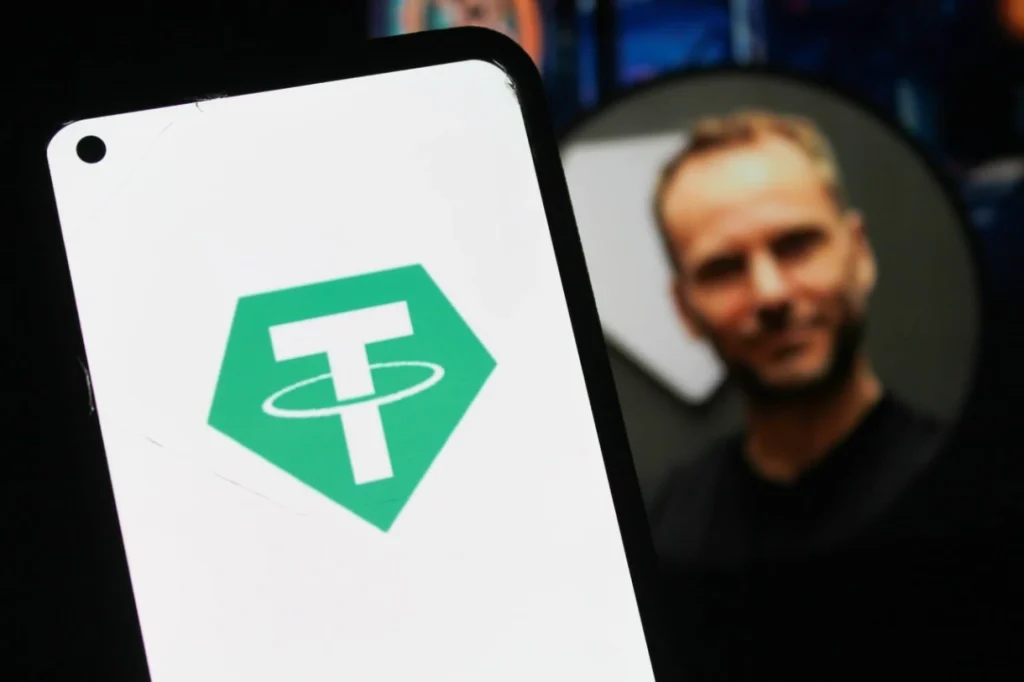

The U.S. government has initiated a civil forfeiture action against approximately 1.76 million Tether (USDT), according to a court document filed on July 21, 2026. This move signals continued regulatory scrutiny and enforcement against illicit financial activities involving stablecoins. The filing, titled ‘United States v. APPROXIMATELY 1,766,583 USDT,’ indicates a legal proceeding to seize these digital assets.
This action is part of a broader trend where U.S. authorities are increasingly targeting cryptocurrencies linked to alleged criminal proceeds. Such forfeiture cases often involve funds suspected of being derived from fraud, money laundering, or other illicit schemes. The centralized nature of stablecoins like USDT can facilitate their seizure by law enforcement, often with cooperation from the issuer, Tether.
Government’s Approach to Crypto Forfeiture
Federal agencies often employ sophisticated blockchain analytics to trace the flow of cryptocurrencies involved in illegal activities. Once identified, these funds can be frozen and subsequently seized through civil asset forfeiture proceedings. Tether, as the issuer of USDT, maintains the technical capability to freeze or blacklist wallet addresses, which is a critical factor in these enforcement actions.
Latest Stories
MARA Holdings Faces Suit for Undermining AI and Bitcoin Mining Expansion

Celsius Bankruptcy Case Expands, Names Bitboy Crypto and Others as Parties

Andrew Tate Sued Over Alleged Crypto Scheme, Plaintiff Seeks X Account ID
In previous instances, Tether has cooperated with law enforcement by freezing tokens and reissuing the equivalent value to government-controlled wallets. This process enables authorities to recover funds that are alleged to be proceeds of crime. The government must typically prove a nexus between the seized assets and criminal activity in court.
Civil asset forfeiture actions allow the government to target property alleged to be involved in criminal activity, even if no criminal charges are filed against an individual. This legal mechanism has been used in numerous cases involving cryptocurrency, including those related to investment fraud, tech support scams, and money laundering operations.
Implications for the Crypto Ecosystem
The ongoing pursuit of cryptocurrency forfeitures by U.S. authorities highlights the increasing capability of federal agencies to track and recover digital assets. These actions underscore the importance of compliance and robust anti-money laundering (AML) measures within the digital asset industry. The ability to seize stablecoins like USDT demonstrates a growing enforcement framework for centralized digital assets.
Such legal proceedings also serve as a deterrent to those who might use cryptocurrencies for illicit purposes, reinforcing the message that digital assets are not immune to legal oversight. The transparency of blockchain technology, combined with the centralized control of some stablecoins, provides law enforcement with tools to combat financial crime in the crypto space.
What This Means
The U.S. government’s forfeiture action against 1.76 million USDT signals continued aggressive enforcement against illicit cryptocurrency use. This case reinforces the regulatory environment where stablecoin issuers are expected to cooperate with law enforcement to freeze and seize funds linked to criminal activity. For participants in the digital asset market, it underscores the persistent legal risks associated with funds originating from or connected to illegal operations.
Sources:
How do you rate this article?
Subscribe to our YouTube channel for crypto market insights and educational videos.






Join our Socials
Briefly, clearly and without noise – get the most important crypto news and market insights first.






8
Also read
Similar stories you might like.
Regulation
MARA Holdings Faces Suit for Undermining AI and Bitcoin Mining Expansion
TechGaged | 2026-07-22

Regulation
Celsius Bankruptcy Case Expands, Names Bitboy Crypto and Others as Parties
TechGaged | 2026-07-22

Regulation
Andrew Tate Sued Over Alleged Crypto Scheme, Plaintiff Seeks X Account ID
TechGaged | 2026-07-22
Blockchain
Zcash Drops 5.91% to $510.16 Amid Broader Market Activity
TechGaged | 2026-07-22

Regulation
FTX Accuses Justin Sun of Sweeping $10M in Bitcoin from Poloniex
TechGaged | 2026-07-15

Blockchain
Aave DAO Weighs Proposal for App Integrating Fiat, Self-Custody Lending
TechGaged | 2026-07-15
Market
MicroStrategy Gains New Institutional Backing from Verus Capital Partners
TechGaged | 2026-07-10

Blockchain
Bitcoin Core v30.3 Released, Improving Foundation: What to Know
TechGaged | 2026-07-10
Blockchain
Compound to Deprecate Polygon, Unichain Comets Due to Low Usage
TechGaged | 2026-07-10

Blockchain
EVAA Protocol Surges 137% as edgeX Gains 51% Amid Market Momentum
TechGaged | 2026-07-08