













No image
Although we praise pets as our companions and often see them as family members, sometimes they can even help with our work, as one scientist has witnessed with his cat, who helped him discover a brand-new virus strain for the second time now.
Specifically, the scientist in question is John Lednicky, Ph.D., a University of Florida College of Public Health and Health Professions virologist, and a proud owner of a cat named Pepper, whose hunting prowess contributed to the identification of a new virus, according to a report by Phys on July 11.
Scientist’s cat leads to discovery of another virus
Last year, Pepper made headlines thanks to his role in the discovery of the first jeilongvirus in the United States and, recently, he helped his owner identify a new strain of orthoreovirus as he caught an Everglades short-tailed shrew, which Lednicky took into the lab for testing as part of his efforts to understand transmission of the mule deerpox virus.
Upon testing, the scientist realized that the shrew had a previously unknown strain of orthoreovirus from a genus that infects humans, white-tailed deer, bats, and other mammals. Although the effects of these viruses are not yet perfectly clear, rare reports have appeared connecting them with cases of encephalitis, meningitis, and gastroenteritis in children.
As Lednicky, a research professor in the PHHP Department of Environmental and Global Health and a member of UF’s Emerging Pathogens Institute, explained:
“The bottom line is we need to pay attention to orthoreoviruses and know how to rapidly detect them.”
Following his and Pepper’s discovery, the UF team has published the complete genomic coding sequences for the virus they named ‘Gainesville shrew mammalian orthoreovirus type 3 strain UF-1’ in the journal Microbiology Resource Announcements.
According to the paper’s lead author, Emily DeRuyter, a UF Ph.D. candidate in One Health:
“There are many different mammalian orthoreoviruses, and not enough is known about this recently identified virus to be concerned. (…) Mammalian orthoreoviruses were originally considered to be ‘orphan’ viruses, present in mammals including humans, but not associated with diseases. More recently, they have been implicated in respiratory, central nervous system, and gastrointestinal diseases.”
Elsewhere, mounting evidence from over a dozen studies points to an individual, or individuals, catching the COVID-19 virus from a wild animal or animals at the Huanan Seafood Market in Wuhan, China, possibly from raccoon dogs.
How do you rate this article?
Subscribe to our YouTube channel for crypto market insights and educational videos.






Join our Socials
Briefly, clearly and without noise – get the most important crypto news and market insights first.
Most Read Today
1
Exclusive: Dr. Persichetti Challenges Key Claims in Cointelegraph’s Quantum Crypto Analysis
2Exchange Seeks Asset Freeze as Users Refuse to Return BTC
3Tokenized Commodities Hit $5.1B, Nearly All on Ethereum
4Will BNB Chain’s Annual Percentage Yield Surge Push Prices Higher or Be a Trap?
5Bitcoin Holds Ground as Oil and War Headlines Clash
Latest






8
Also read
Similar stories you might like.

Altcoins
2 Cryptocurrencies to Buy in April
Azeez | 2026-04-11

Altcoins
CME Group To Launch Sui Futures and Institutions Are Betting Big On It
Azeez | 2026-04-11

Bitcoin
Bitcoin Holds Ground as Oil and War Headlines Clash
Ana | 2026-04-10

Altcoins
Will BNB Chain’s Annual Percentage Yield Surge Push Prices Higher or Be a Trap?
Azeez | 2026-04-10

Bitcoin
The Ceasefire Trade: Why Gold is Testing $5000 While Bitcoin Struggles to Break $75,000
Azeez | 2026-04-10
Blockchain
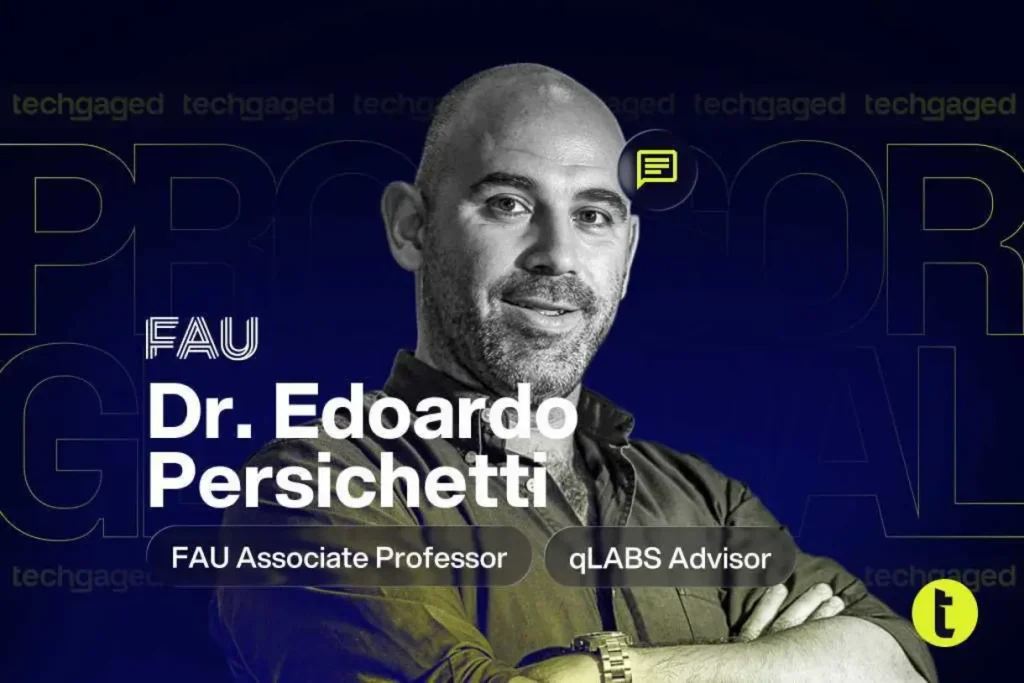
Exclusive: Dr. Persichetti Challenges Key Claims in Cointelegraph’s Quantum Crypto Analysis
Sead | 2026-04-10

Altcoins
TON Just Got 10× Faster Overnight; Here’s What Happened
Ana | 2026-04-10

Altcoins
Tokenized Commodities Hit $5.1B, Nearly All on Ethereum
Ana | 2026-04-10
Altcoins
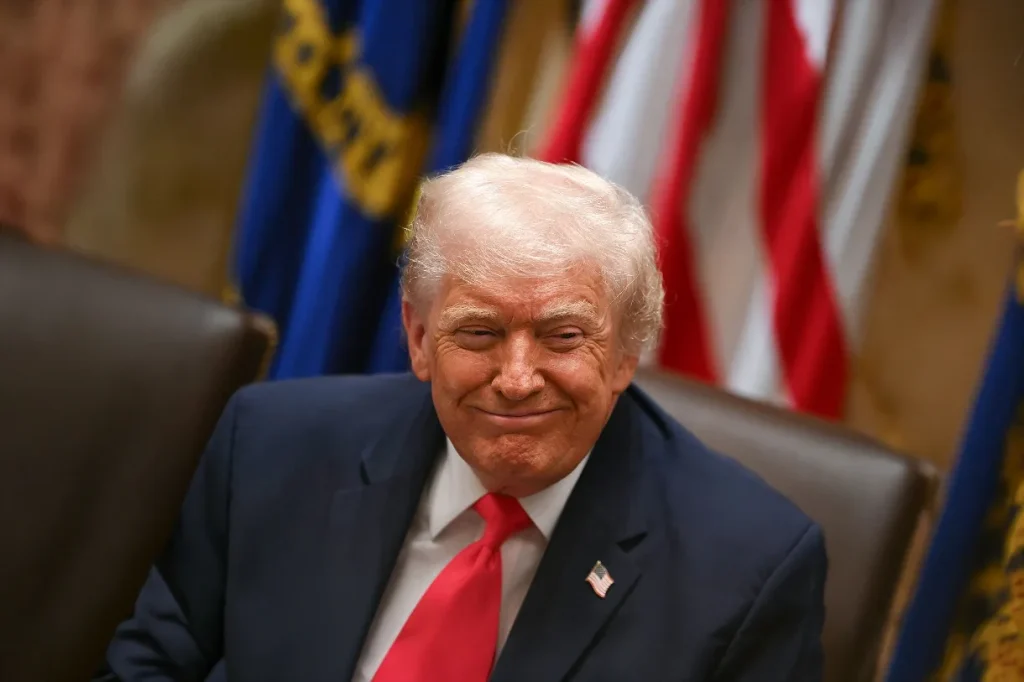
Trump-Linked WLFI Crypto Play Raises Eyebrows Again
Rokas | 2026-04-10

Bitcoin
Exchange Seeks Asset Freeze as Users Refuse to Return BTC
Rokas | 2026-04-10