










Garlic Mouthwash? Science Says It Rivals Leading Antiseptics
Garlic Mouthwash? Science Says It Rivals Leading Antiseptics
In Brief
- • A new review finds garlic extract mouthwash can match chlorhexidine’s antimicrobial effectiveness.
- • Trials show strong results despite some variability and side effects.
- • Researchers say garlic is a credible natural alternative but need larger studies to confirm.
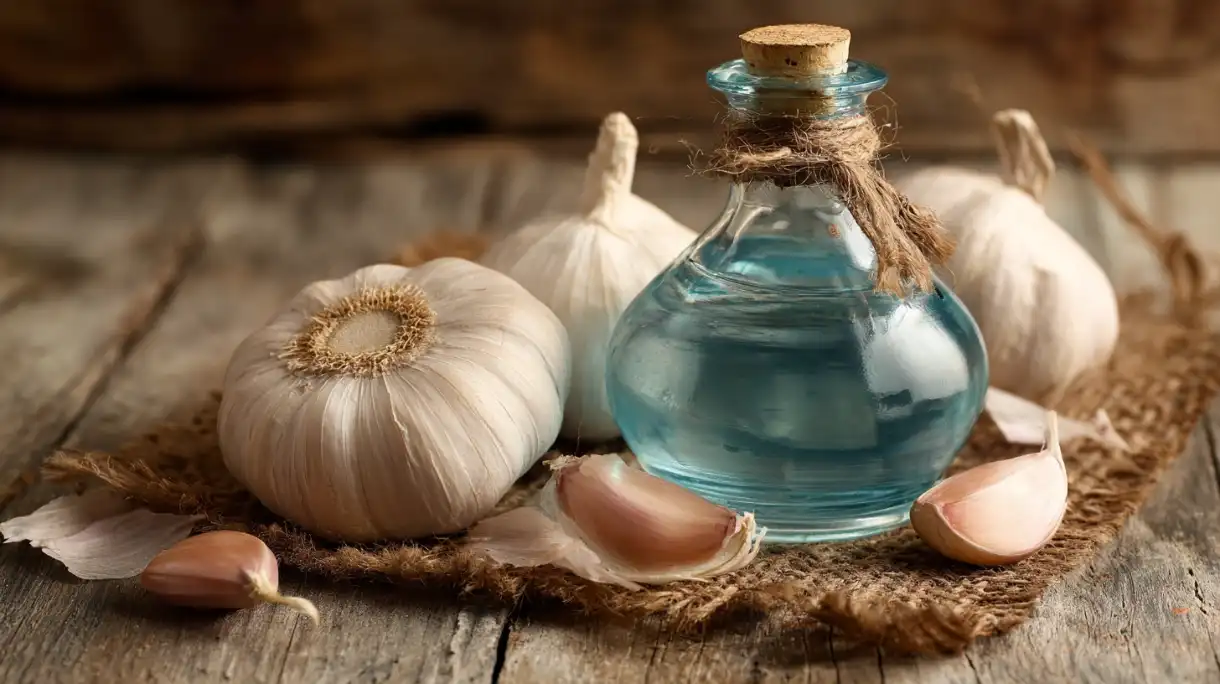
A natural remedy may soon chase chemical mouthwashes off bathroom shelves, as a new scientific review has revealed that garlic extract mouthwash performs as well as chlorhexidine, the gold-standard antiseptic dentists prescribe worldwide, shaking up long-standing assumptions in oral care.
Ad
Specifically, the findings come from researchers at the University of Sharjah in the United Arab Emirates, who analyzed clinical trials comparing garlic extract to chlorhexidine in real-world use. Their conclusion stunned many in the field, garlic’s antimicrobial power is not just folklore, it holds up in controlled studies.

Chlorhexidine is extremely effective but comes with baggage, from unpleasant taste to tooth staining and concerns over long-term antimicrobial resistance. Garlic extract, while occasionally causing burning sensations or a strong odor, remained active longer after use and delivered similar reductions in microbial activity across multiple trials.
How Garlic Went Toe-to-Toe With Dentistry’s Strongest Mouthwash
The research team followed rigorous systematic review standards, combing through more than 400 studies across six scientific databases. Only five high-quality clinical studies met the criteria, but together they painted a consistent picture. Garlic mouthwash performed surprisingly well, particularly when used at higher concentrations or for longer durations.
Ad
Some tests showed chlorhexidine maintained plaque pH more effectively, while others found garlic extract outperforming it entirely, depending on formulation. Despite different methodologies and some variability, the pattern was clear enough that the authors said garlic extract is a credible herbal alternative, at least in certain situations.
This matters not only for dentistry but also for global health. Garlic is one of the world’s most consumed antibacterial crops, widely used in herbal supplements and household remedies. With a garlic extract market valued above $15 billion in 2024 – and 80% of global supply coming from China – it’s a readily scalable ingredient with a massive existing supply chain.

Garlic’s superstar component is allicin, a compound known for destroying bacteria, fungi, and even some viruses. Decades of studies have shown allicin’s power in the lab, but real-world clinical evidence has lagged. This review closes part of that gap, showing that garlic extract delivered “significant reductions in bacterial counts from baseline” across multiple trials.
Researchers still caution that more large-scale studies are necessary, especially standardized clinical trials. Many existing studies vary in methodology, and garlic mouthwash isn’t free of side effects. But compared with chlorhexidine, a compound that can stain teeth, affect taste, and requires a prescription, garlic offers a natural, accessible, and potentially safer option.
As the authors note, there is still a major evidence gap in herbal oral-care research. But this review pushes garlic from “folk remedy” into a legitimate clinical contender, which is a shift that could reshape future dental products.
More Must-Reads:
How do you rate this article?
Subscribe to our YouTube channel for crypto market insights and educational videos.






Join our Socials
Briefly, clearly and without noise – get the most important crypto news and market insights first.
Most Read Today
1
Peter Schiff Warns of a U.S. Dollar Collapse Far Worse Than 2008
2Samsung crushes Apple with over 700 million more smartphones shipped in a decade
3Dubai Insurance Launches Crypto Wallet for Premium Payments & Claims
4XRP Whales Buy The Dip While Price Goes Nowhere
5Luxury Meets Hash Power: This $40K Watch Actually Mines Bitcoin
Latest




8
Also read
Similar stories you might like.
Industry
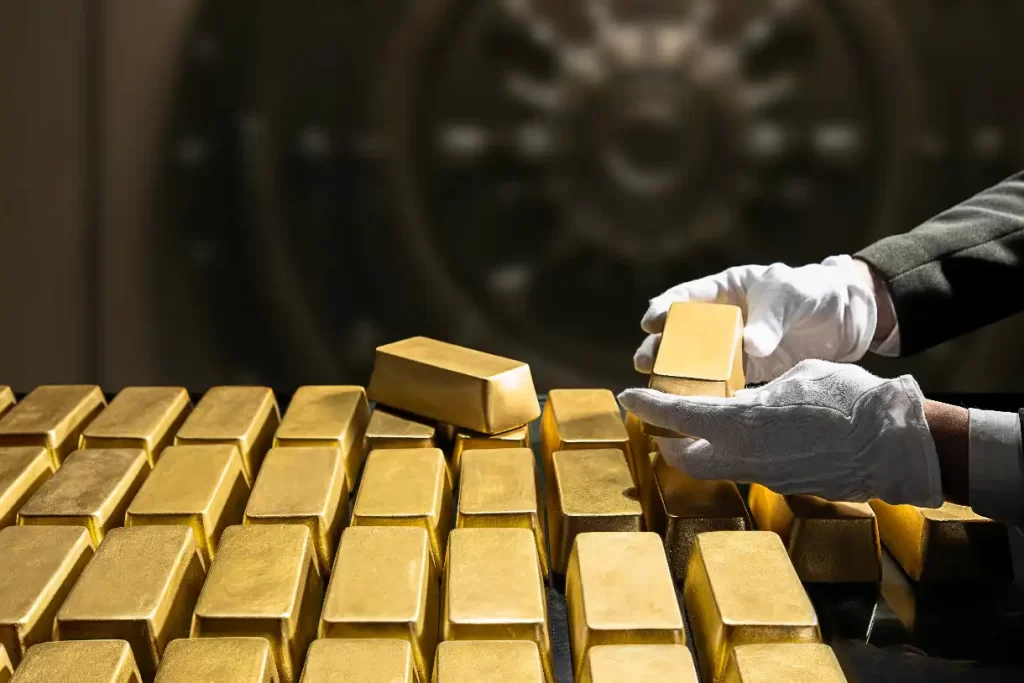
Google Searches for “How to Buy Gold” Explode Globally, Hitting a Two-Decade High
Rokas | 2026-01-26

Industry
Businesses now use crypto as operational capital, CoinGate data reveals a structural shift
Rokas | 2026-01-21

Bitcoin
$455 Billion in Bitcoin Exposed to Quantum Attack Risk via Address Reuse, Up 16% Since 2020
Jastra | 2026-01-20
Altcoins
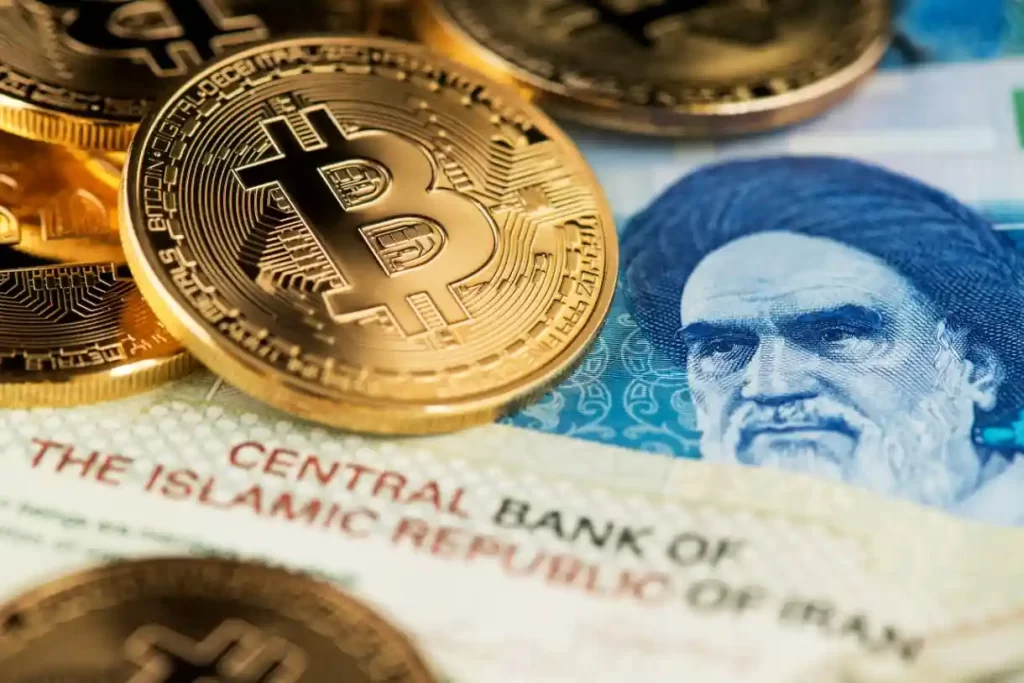
Iran’s Crypto Activity Surges During Protests; Here’s Why
Ana | 2026-01-16
Industry
Stablecoin Market Share Hits an All-Time High of 10.19%
Jastra | 2026-01-14
No image

Bitcoin
Only Three Governments Increased Bitcoin Holdings in 2025 – U.S. Leads Following 130,000 BTC Seizure
Jastra | 2026-01-05
Industry
Solana Tokens Lose $157B in 2025, The Largest Dollar-Value Drop in the Chain’s History
Jastra | 2025-12-30
Artificial Intelligence
New Epstein Disclosures Collide With an AI Project Built Months Earlier
Ana | 2025-12-22

Science
Scientists Reconstruct Skull of 1.6-Million-Year-Old Ethiopian Homo Erectus
Shedrach | 2025-12-19