








Dorsey’s Offline Chat and Bitcoin App Surges Amid Iran, Uganda Shutdowns
Ad
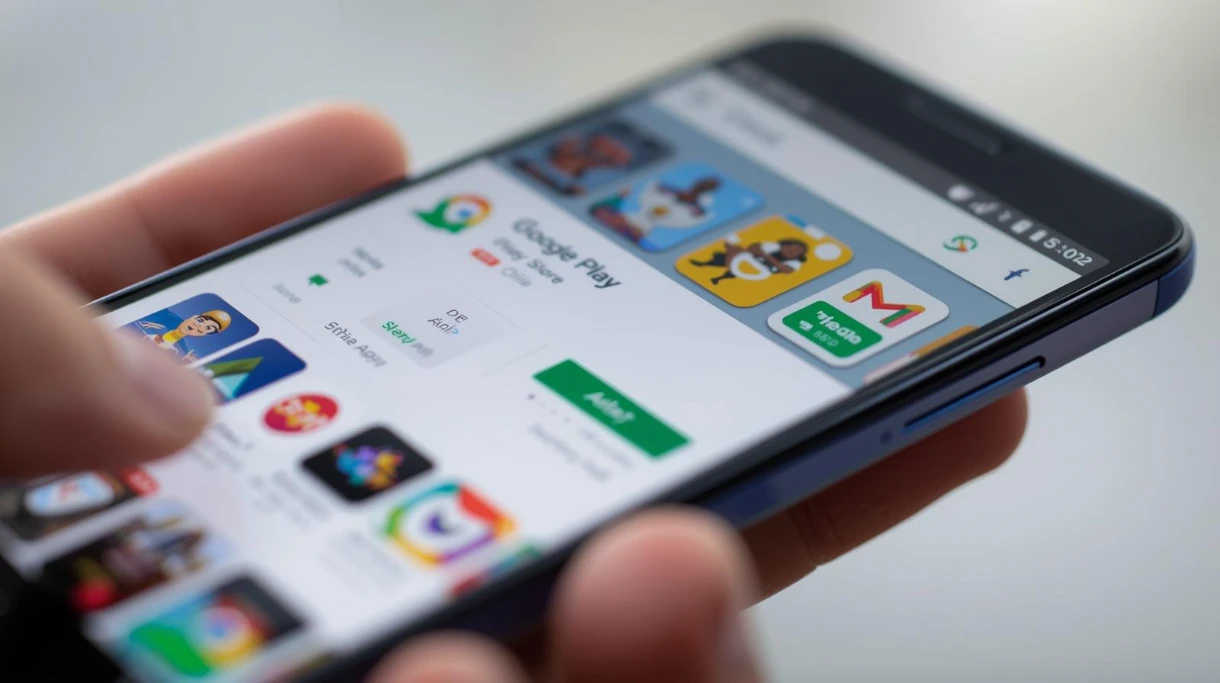
Jack Dorsey’s offline messaging app Bitchat is seeing a sharp rise in adoption as internet shutdowns disrupt communications in countries like Iran and Uganda.
Built to function without the internet, central servers, or user accounts, the app is gaining attention during elections, protests, blackouts, and similar situations when traditional messaging platforms often fail.
According to data from analytics firm Apptopia, Bitchat has recorded more than 28,000 downloads in 2026, nearly quadrupling its installs from the prior two months combined.
The surge has been particularly visible in Uganda, where the app climbed to the top of Apple’s and Google’s app store rankings ahead of a contentious national election. In Iran, its popularity has grown amid state-imposed internet shutdowns aimed at suppressing protests.
How Bitchat Works Without The Internet
Bitchat relies on Bluetooth Low Energy (BLE) and mesh networking rather than mobile data or Wi-Fi. Messages are relayed from phone to phone, forming a decentralized network where each device acts as both a sender and a relay.
Though BLE has a limited direct range, the mesh structure allows messages to “hop” across many devices, extending communication far beyond a single connection.
Crucially, messages are stored only on users’ devices, disappear by default, and never pass through centralized servers. Users don’t need phone numbers, email addresses, or logins, which are the features that echo Dorsey’s long-standing advocacy for privacy-focused, censorship-resistant communication.
Messaging, Bitcoin, And Protest-Ready Tech
Beyond messaging, Bitchat also enables Bitcoin (BTC) transfers without an internet connection, allowing users to exchange value peer-to-peer even during blackouts, as demonstrated in a video shared by Bitcoin Teddy in an X post on January 28.
This feature has drawn attention from activists, journalists, and privacy advocates who see offline payments as a powerful tool amid financial and communication infrastructure restrictions.
The app is free, open-source, and available on both Android and iOS. Developers can audit the code, contribute improvements, or fork the project to build custom versions with added features.
Dorsey previously described Bitchat as a “weekend project” designed to explore Bluetooth mesh networks, encryption models, and store-and-forward messaging.
Its sudden relevance, however, highlights a familiar pattern: from Twitter during the Arab Spring to mesh-based apps used in Hong Kong protests, decentralized tools often gain traction precisely when centralized systems fail.
More Must-Reads:
How do you rate this article?
Subscribe to our YouTube channel for crypto market insights and educational videos.






Join our Socials
Briefly, clearly and without noise – get the most important crypto news and market insights first.

Most Read Today
1
Chainlink’s 499% Social Volume Spike: Why Attention is Outpacing Price
2Mantle’s $1B Milestone: Why MNT is the Next Layer 2 Powerhouse to Watch
3Cardano (ADA) Price Analysis: Quiet Accumulation as Technical Signals Begin to Strengthen
4Digital Silver’s Silent Strength: Litecoin (LTC) Fundamental and Technical Dive
5The Pi Day Pivot: Can Polkadot’s Massive Supply Cut Fuel a DOT Breakout?
Latest






8
Also read
Similar stories you might like.

Altcoins
Chainlink’s 499% Social Volume Spike: Why Attention is Outpacing Price
Azeez | 2026-03-15

Altcoins
The Institutional Push: Why the Aptos & Mastercard Alliance is a High-Stakes Bet for 2026
Azeez | 2026-03-14
Altcoins
The Institutional Green Light: Analyzing AVAX as Grayscale’s Staking ETF Hits Nasdaq
Azeez | 2026-03-14
Altcoins
The Pi Day Pivot: Can Polkadot’s Massive Supply Cut Fuel a DOT Breakout?
Azeez | 2026-03-14

Altcoins
Ethereum Foundation Drops New Manifesto For The Network; What’s New?
Ana | 2026-03-13
Altcoins
XRP Triangle Pattern Points To Major Upside Target
Ana | 2026-03-13

Altcoins
Whales Quietly Scoop Up Millions Of TRUMP Tokens; What’s Happening?
Rokas | 2026-03-13

Bitcoin
Supply Shock: 204K BTC Leave Exchanges As Whales Stay Dormant
Rokas | 2026-03-13
Bitcoin
Record Strategy Bitcoin Purchase Raises Supply Pressure Questions
Rokas | 2026-03-13

Bitcoin
Should You Sell Bitcoin at $100K? Here’s What ChatGPT Says
Rokas | 2026-03-12