





“Fake Money!” Kiyosaki Slams Buffett and Wall Street Assets
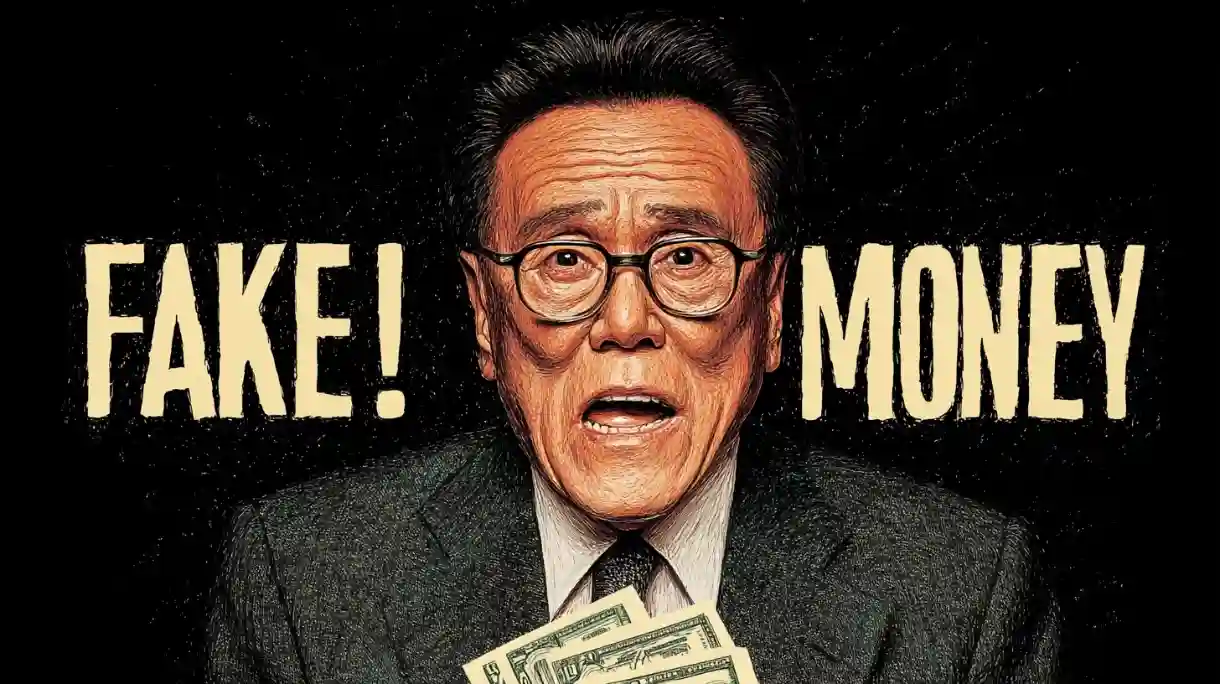
“Fake Money!” Kiyosaki Slams Buffett and Wall Street Assets
In Brief
- • Kiyosaki responded to Buffett’s claim that Bitcoin is purely speculative.
- • He contrasted traditional financial assets with scarce physical and decentralized assets.
- • His stance centers on distrust in institutional money systems and currency issuance.
Ad
‘Rich Dad Poor Dad’ author Robert Kiyosaki has issued a lengthy response to billionaire investor Warren Buffett’s reiteration of a long-standing stance that Bitcoin (BTC) is not an investment but a speculative gamble that could end in a blow-off top collapse.
Specifically, Kiyosaki acknowledged that Warren Buffett could be correct from a traditional value-investing viewpoint, but emphasized that he fundamentally disagrees based on his own risk assumptions, asset philosophy, and trust in institutions, per his X post on November 17.
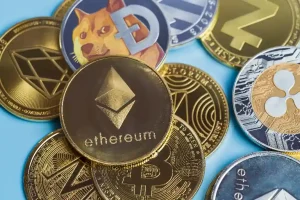
Indeed, Kiyosaki contrasted Buffett’s preference for stocks, bonds, and conventional market instruments with his own holdings, which include gold mining companies, physical gold and silver, and cryptocurrencies such as Bitcoin and Ethereum (ETH).
As it happens, his central argument is built around distrust of central banking, government monetary policy, and the Wall Street-based financial system.
“Real vs. Fake Assets”
Within his explanation, Kiyosaki classified different types of money and assets using three labels. The first is “God’s money,” referring to naturally scarce, physical assets like gold and silver. The second is “people’s money” or digitally scarce, decentralized assets like BTC and ETH.
Finally, the third is “fake money,” by which he means central bank-issued or paper-based claims like USD, exchange-traded funds (ETFs), bonds, and real estate investment trusts (REITs).
He emphasized that physically owning assets, not paper or ETF claims, aligns with his long-standing teachings in ‘Rich Dad Poor Dad.’ He also argued that printed financial instruments, derivatives, and pooled products are disconnected from tangible value, while no one can artificially increase the supply of crypto and metals.
Additionally, Kiyosaki reiterated his belief that unlimited U.S. money creation leads to currency debasement, citing global debt levels and macro forces that may pressure governments to issue more bonds. This, he claims, is why assets with programmed scarcity, particularly BTC with its 21 million supply cap, offer asymmetric protection.
Moreover, he argued that he based his investment thesis not on guaranteed growth but in hedging against systemic trust failure, stating that individuals do not need elite academic credentials to recognize sustainability limits in government spending and monetary issuance.
More Must-Reads:
How do you rate this article?
Join our Socials
Briefly, clearly and without noise – get the most important crypto news and market insights first.

Most Read Today
1
White House Urges Stablecoin Deal, Sets the Deadline as Debate Continues
2These 7 Altcoins Posted Double-Digit Gains Last Week — Is Altcoin Season Brewing?
3Telegram Wallet Offers Up to 18% Yield on USDT, Here’s What Changed
4Grayscale Files Application to go Public on New York Stock Exchange
5Former Mt Gox CEO Proposes Bitcoin Hard Fork to Recover $5B — Developers Push Back
Latest





8
Also read
Similar stories you might like.
Altcoins
These 7 Altcoins Posted Double-Digit Gains Last Week — Is Altcoin Season Brewing?
Rokas | 2026-03-02

Industry
Goldman Sachs and Jefferies Add Crypto Research Roles as Institutional Demand Builds
Rokas | 2026-03-01
Bitcoin
Former Mt Gox CEO Proposes Bitcoin Hard Fork to Recover $5B — Developers Push Back
Rokas | 2026-03-01

Altcoins
Crypto Whale Transfers Spike Ahead of Clarity Act Decision; Here’s Why
Ana | 2026-02-27
Bitcoin
Bitcoin Bear Market Nearing End, But $30K Still Possible
Ana | 2026-02-27

Industry
Court Orders BitBoy to Pay $2.8M in a Defamation Ruling, Atozy Celebrates
Ana | 2026-02-27

Altcoins
What Ripple’s XRPL Funding Overhaul Means for XRP Price
Ana | 2026-02-27
Bitcoin
Bitcoin Rights Bill Clears Indiana Legislature; Here’s What It Means
Ana | 2026-02-26
Bitcoin
Bitcoin Spot Demand Turns Positive Again, Breaks Multi-Month Downtrend
Ana | 2026-02-26

Altcoins
Ethereum Outlines Bold Vision In Its 10-Year ‘Strawmap’ – What It Includes
Ana | 2026-02-26